

Why Plumbing Website Design Matters for Local Rankings
When someone has a burst pipe or clogged drain, they don’t browse — they search and call. If your plumbing business doesn’t show up in those urgent local searches, that job goes straight to your competitor.
The reality is, most plumbing websites fail not because they look bad, but because they aren’t built to rank locally or convert visitors into leads. A high-performing site isn’t just visually appealing — it’s strategically designed to appear in search results and drive calls.
That’s where effective plumbing website design comes in. It’s a balance of conversion-focused design, local SEO strategy, and technical performance. Companies like Masthead Technology understand this balance, especially when building websites for trade-based businesses that rely on local leads.
What Makes a High-Performing Plumbing Website Design
A successful plumber website design has two clear goals:
- Rank high in local search results
- Convert visitors into paying customers
Many websites focus only on aesthetics, but website design for plumbers must go beyond visuals. Google evaluates local websites based on three key factors:
- Relevance – Does your site match the search query?
- Distance – How close is your business to the searcher?
- Prominence – How trusted and authoritative is your business?
A strong plumbing web design aligns both search visibility and user experience — not just one or the other.
Design Features That Turn Visitors Into Calls
Most guides ignore this — but design is what actually converts traffic into leads.
A high-converting plumbers website design should include:
- A clear hero section with location + service (e.g., “24/7 Emergency Plumber in [City]”)
- Prominent click-to-call buttons placed above the fold
- Sticky mobile call button for urgent users
- Strong visual hierarchy guiding users toward action
- Trust badges (licensed, insured, years of experience)
- Real images of your team or work (not generic stock photos)
- Simple, easy-to-scan layout with minimal distractions
Pro Tip: In plumber web design, clarity and speed matter more than creativity. Users should know what to do within 3 seconds.
The Difference Between Generic vs Local Plumbing Website Design
Generic templates often look clean but lack location-specific signals.
A local-first plumbing website design:
- Targets specific cities and neighborhoods
- Uses localized keywords naturally
- Speaks directly to local customer needs
Generic designs may look good, but a localized plumber website design drives actual leads.
Core Pages Every Plumbing Website Needs
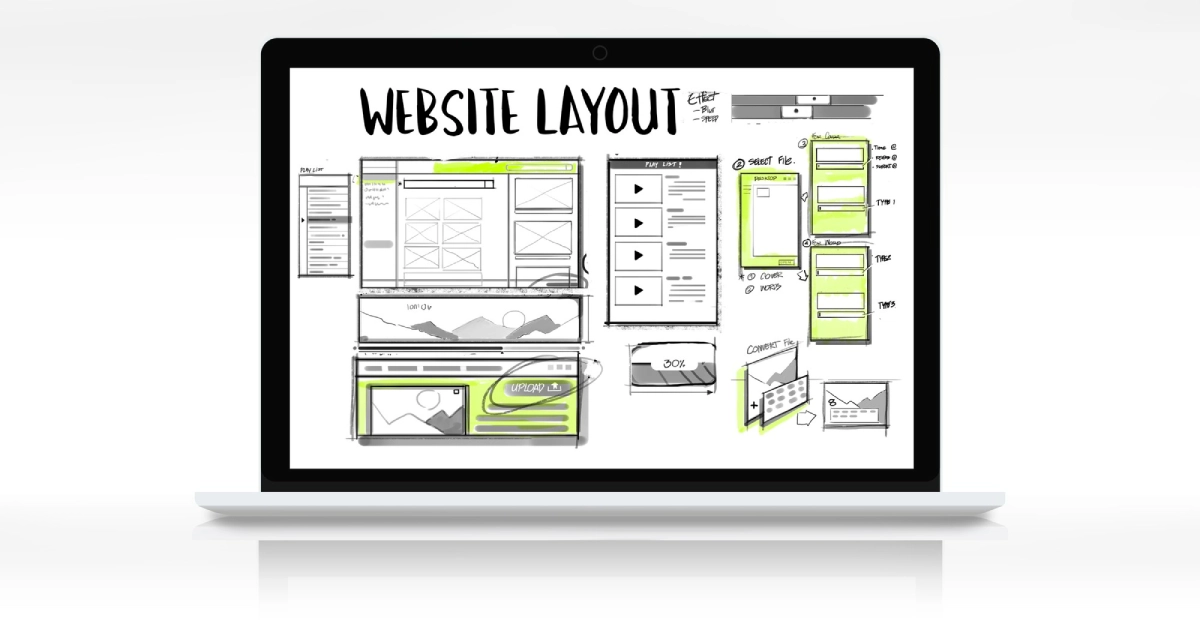
A well-structured site is the foundation of effective website design for plumbers.
1. Homepage — Your First Impression and Local Signal
Your homepage should immediately answer:
- What you do
- Where do you do it
Key elements include:
- A keyword-rich headline (e.g., “Emergency Plumbing Services in [City Name]”)
- Click-to-call phone number above the fold
- Trust signals: licensed, insured, reviews
2. Service Pages — One Page Per Service, Not One Page for All
Instead of one generic page, create separate pages for:
- Water heater repair
- Drain cleaning
- Emergency plumbing
- Leak detection
This structure improves rankings and is a core part of effective plumbing website design.
3. Location/Service Area Pages — The Local SEO Engine
If you serve multiple areas:
- Create one page per city or locality
- Write unique content (avoid duplication)
- Add local references (areas, landmarks)
These pages are critical for scaling your plumbing web design strategy across multiple locations.
4. About Page — Building Trust and E-E-A-T
Your About page should include:
- Licenses and certifications
- Years of experience
- Real team photos
- Community involvement
This strengthens trust and supports Google’s E-E-A-T signals.
Technical Must-Haves in Plumber Web Design
Even the best-looking site won’t rank if it’s slow or broken.
5. Mobile Optimization
Most users search for plumbers on their phones — often in urgent situations.
Your site must have:
- Responsive design
- Fast loading speed
- Large, clickable phone buttons
If your site isn’t mobile-friendly, you’re losing leads — learn more about why responsive web design is crucial.
6. Page Speed and Core Web Vitals
Slow websites lose both rankings and leads.
Improve speed by:
- Compressing images
- Using caching
- Writing clean code
Fast performance is a non-negotiable part of modern plumbing web design.
7. Security & Reliability
Security builds trust with both users and search engines:
- SSL certificate (HTTPS)
- Regular updates and maintenance
- Reliable hosting
A secure site is essential for long-term performance.
Local SEO Built Into Plumbing Website Design
SEO isn’t something you add later — it must be built into your plumbing website design from day one.
8. On-Page SEO Essentials
Each page should include:
- City + service keywords
- Optimized title tags and meta descriptions
- Proper heading structure (H1, H2, H3)
9. Google Business & Schema Integration
Embedding a Google Map on your contact page reinforces your local presence.
Schema markup helps search engines understand:
- Your business type
- Location
- Services
This improves visibility in search and even AI-driven results.
10. Reviews and Social Proof
Showcase customer feedback directly on your site:
- Google reviews
- Testimonials
- Ratings
These elements boost trust and improve conversion rates.
What Does a Plumbing Website Design Cost?
Here’s a general breakdown:
| Approach | Typical Cost Range | Best For | SEO Capability |
| DIY Website Builder | $10–$50/month | Brand new startups | Limited |
| Freelance Designer | $500–$2,500 one-time | Basic online presence | Moderate |
| Template-Based Agency | $1,500–$4,000 | Small local operators | Moderate |
| Custom Professional Design | $3,000–$8,000+ | Growth-focused plumbers | High |
The real value of plumbing website design is ROI — even one extra job per month can cover your investment.
Masthead Technology offers tools like a website cost calculator to help businesses estimate costs before getting started.
Common Mistakes Plumbers Make With Their Website (And How to Avoid Them)
Avoid these common pitfalls:
- No location-specific content
- Using generic templates without customization
- Missing or inconsistent contact details
- No clear call-to-action (CTA)
- Ignoring updates after launch
A successful plumber’s website design is continuously improved — not just launched and forgotten.
Ready to Build a Plumbing Website That Actually Generates Leads?
A high-performing plumbing website design isn’t just about looking professional — it’s about generating consistent calls, leads, and bookings.
If your current website isn’t bringing in local customers, it’s not doing its job.
Masthead Technology specializes in plumber web design that combines SEO, speed, and conversion strategy — helping plumbing businesses turn traffic into real revenue.
Explore your options or book a free website consultation to get expert insights tailored to your business.
Frequently Asked Questions
How long does it take to rank a plumbing website in local search?
Typically 3–6 months, depending on competition, website quality, and SEO efforts.
Do I need a separate page for each city I serve?
Yes. Dedicated pages significantly improve your chances of ranking in multiple locations.
What’s the most important element of a plumber’s website design for conversions?
Clear CTAs (especially click-to-call buttons) combined with trust signals like reviews and certifications.
Can I use a website builder like Wix or Squarespace for my plumbing business?
Yes, but they often have limitations for advanced local SEO and scalability.
How often should a plumbing website be updated?
Regular updates (monthly or quarterly) help maintain rankings and keep content fresh.